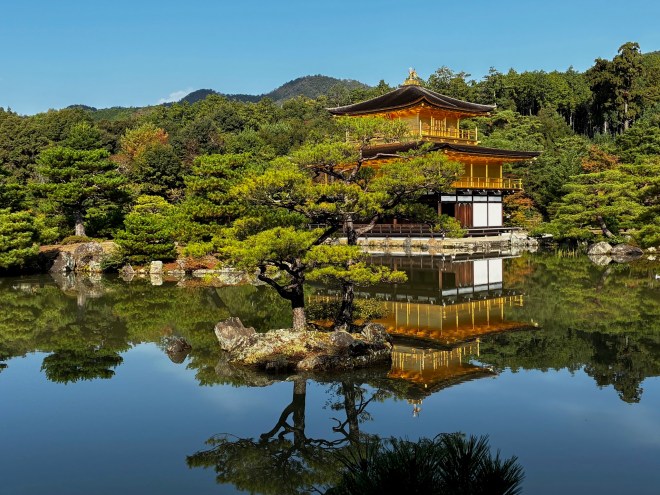
Zen is not a state of mind, it’s a way of being. Or so I’m told—I’m no Zen master. I have dabbled in meditation and mindfulness techniques sporadically over the years. During certain times in my life, especially periods of great stress or heightened curiosity, I have sought to learn more about Zen and what it means. But only here in Japan have I entered ancient Zen gardens and temples built by and for practitioners of Buddhism. Some bring a sense of inner peace and reflection. Some just bring hoards of tourists.
Technically, Zen is a form of Buddhist meditation practices represented by simplicity, attention focused on “here and now”, and inseparable connection between the individual and nature. Practitioners of Zen hope to reach a peaceful state characterized by a still, uncluttered mind, but it is not easily achieved (especially for those of us with minds like a toddler’s playroom). In Japan, Zen practice is supported by many kinds of carefully curated gardens and temples designed to calm the mind and focus the spirit. Given that Kyoto is home to about 1600 Buddhist temples and our stay here lasted three weeks, if I couldn’t find my Zen place here, it might never happen.
Here & Now
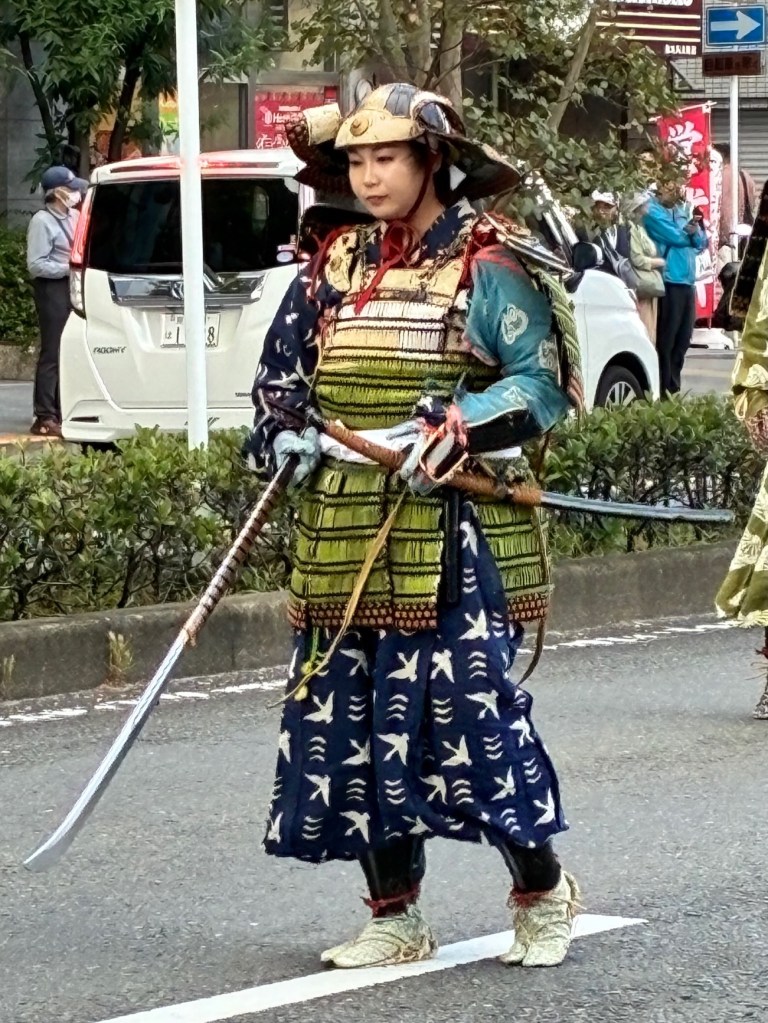
Kyoto’s history goes way, way back, so being here now is best seasoned with a bit of understanding of how these places came to be. In addition to all the temples (plus 400 Shinto shrines), Kyoto has imperial palaces, a large castle, and 17 UNESCO World Heritage sites. It was the capital city of Japan for more than 1,000 years. We were lucky to catch the “Festival of the Ages” annual parade that featured costumed participants dressed as historical figures representing 1,200 years of history in Kyoto, starting even before it was the capital. The parade stretched for two kilometers and lasted three hours. We saw samurai, shoguns, swordsmen, archers, nobles on horseback, geishas, famous poets, and tradespeople, not to mention servants with buckets to pick up the horse poop. Their meticulous, elaborate period costumes gave us a better picture of what the people might have looked like during each era of Kyoto’s history, but were a jarring contrast to the “here and now” of city buses and coffee shops lining the parade route.
Despite being a city known for its long and important place in Japanese history, many of the historic buildings are not original. Most Japanese architecture was designed for impermanence rather than permanence. Being built mostly of wood frames with paper walls, traditional buildings such as temples are both easily destroyed (especially by fire) and easy to rebuild. In fact, there’s a Japanese cultural aesthetic called “wabi-sabi” that emphasizes seeing beauty in imperfection and appreciating the transience of life. There’s that Zen thing again—wabi-sabi is descended from Zen Buddhism and even today shows up in buildings that showcase the imperfections in natural materials, like a bent or branched tree trunk holding up a roof as opposed to a machine-milled post.
Most of the oldest buildings we’ve seen have been rebuilt not just once, but often three or four times after being destroyed for one reason or another: blown down by typhoon winds, destroyed by armies, swept away by flooded rivers, or burned to the ground by a lightning strike. Amazingly, earthquakes don’t bring down the house so easily. The ingenious structural engineers who lived more than a thousand years ago designed a system of building supports that flex, slide, and dance when the ground moves but don’t crack, crumble, and fall. As a result, fire, not earthquakes, has been the most destructive force for buildings, despite Japan straddling a number of restless tectonic plates.
Did I find my Zen place in Kyoto’s timelessness? Not so much. I think a Zen mindset would simply accept these historic sites for what they are now, but I saw them more as a window into the past.
Simplicity
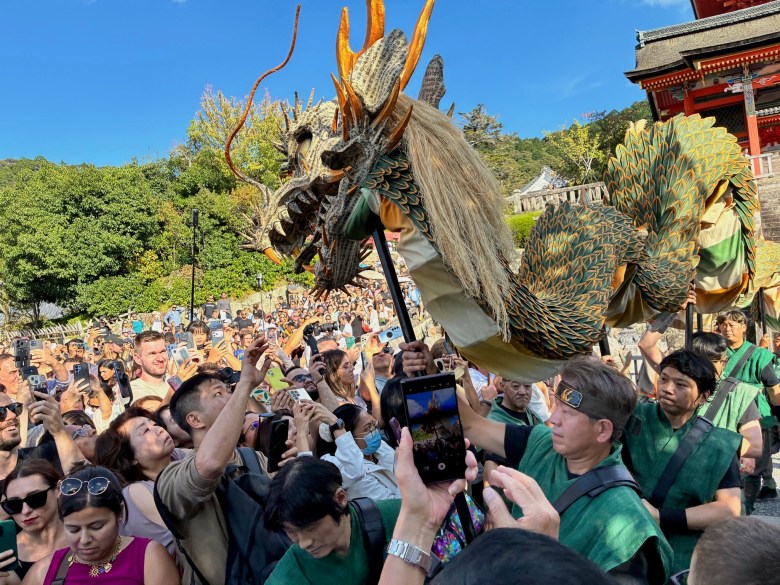
Approximately 60 million tourists visit Kyoto each year—about the same number that visit New York City. (And sometimes it feels like all of them are getting off the train at the same time…) The temples and shrines are Kyoto’s biggest draw—we visited about 25 of them, and each has been similar in design but unique in features.
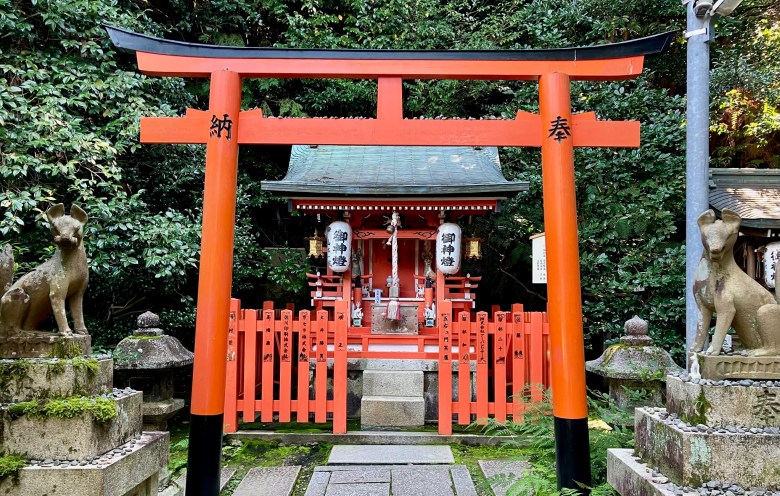
Many have the ubiquitous red-orange torii or stone gates shaped like the symbol for pi (Π). These are primarily associated with Shinto shrines but often appear at Buddhist temples also (and sometimes the two are conjoined!). Many also have representations of their chosen deities, such as animal gods like foxes, horses, dragons, or crows that are believed to bring luck, prosperity, health, or some other benefit. Some temples have multi-story pagodas, others have meditative gardens, and the layouts of the buildings and grounds are each distinctive in their own way. Some make grand statements: One has 1,001 human-sized statues; another has a 200-foot-tall Buddha; yet another has 1,200 stone statues, each carved by an individual member of the temple to reflect some aspect of the carver’s personality; still another purportedly has more than ten thousand torii. Many others are more modest, aiming for simplicity rather than grandiosity.
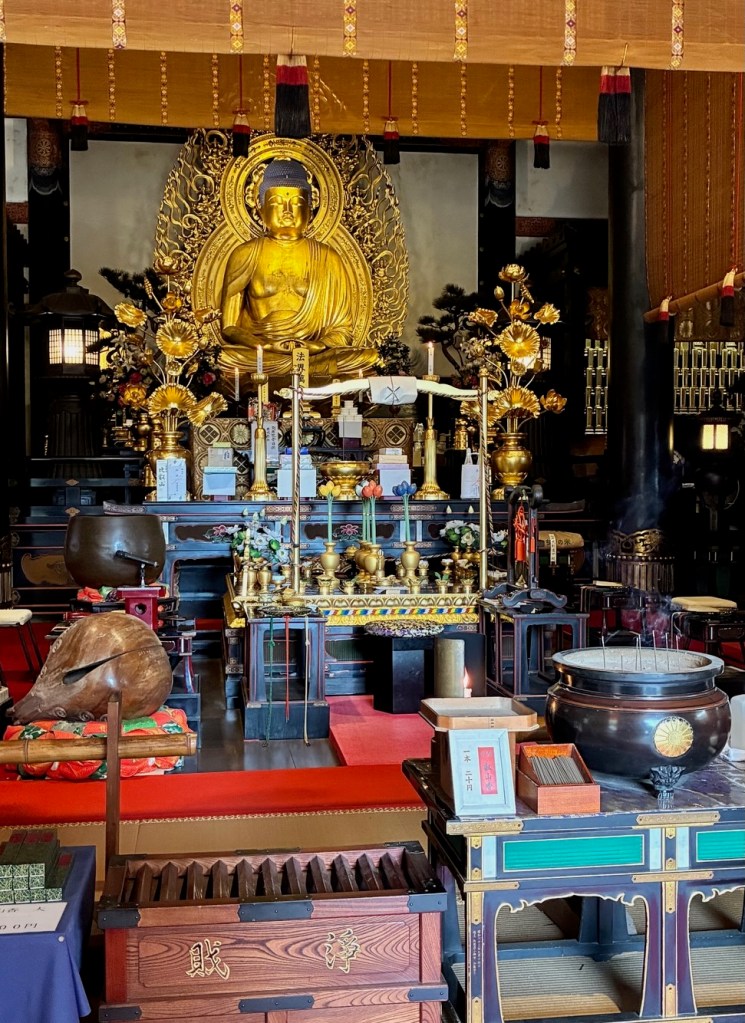
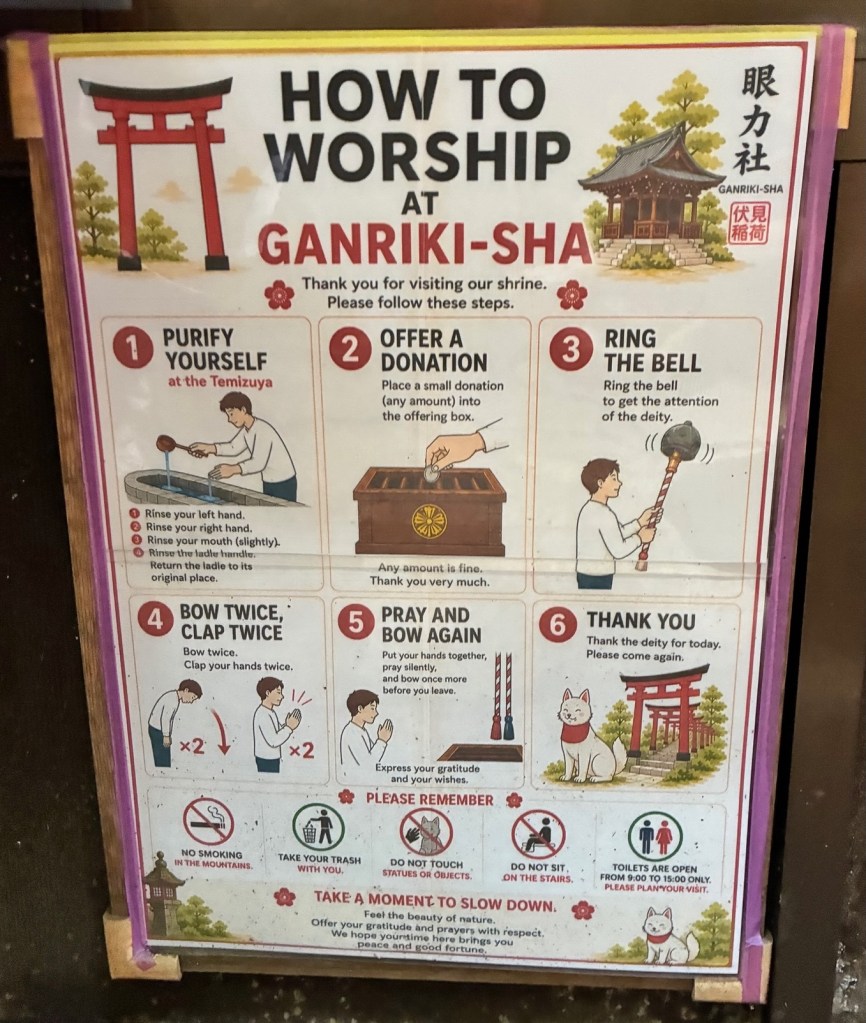
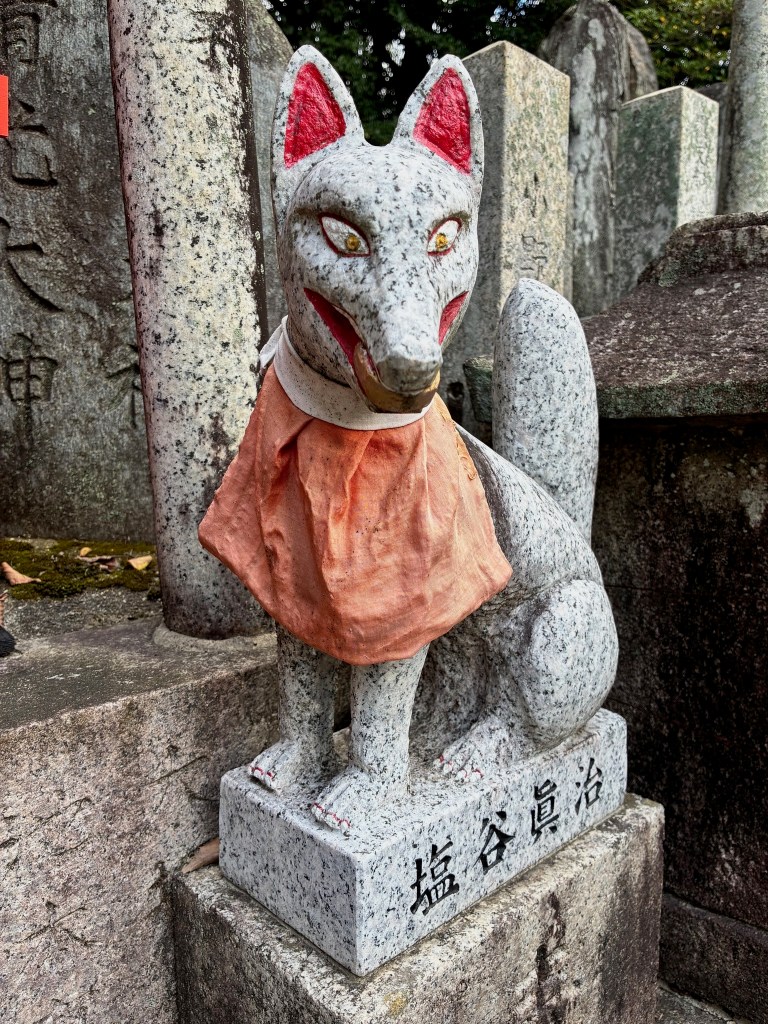
I will admit to experiencing temple fatigue, but that’s why we love being able to stay in a place this long. When we reached that state, we took a day off or did something different—and there’s plenty to choose from. There’s a free-range monkey park filled with a clan of large macaques; a nearby town famous for sacred deer wandering freely that have learned to bow in exchange for treats; towering bamboo forests; mountains with cablecars to the top; a riverside walkway; and a neighborhood where geisha still perform and tourist wanna-be-geisha rent kimonos and wander around snapping photos of themselves. We’ve learned how to make chopsticks and sharpen Japanese knives, seen a propulsive taiko drumming performance, experienced traditional dance as well as kabuki and noh theater, and cheered on a demonstration of sumo wrestling.
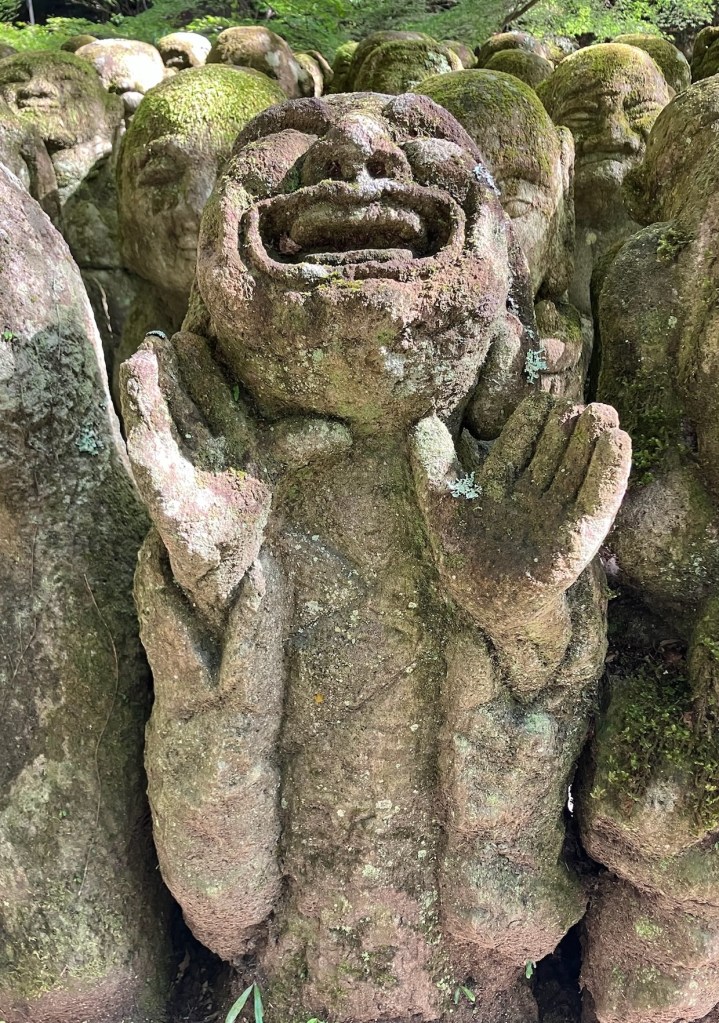
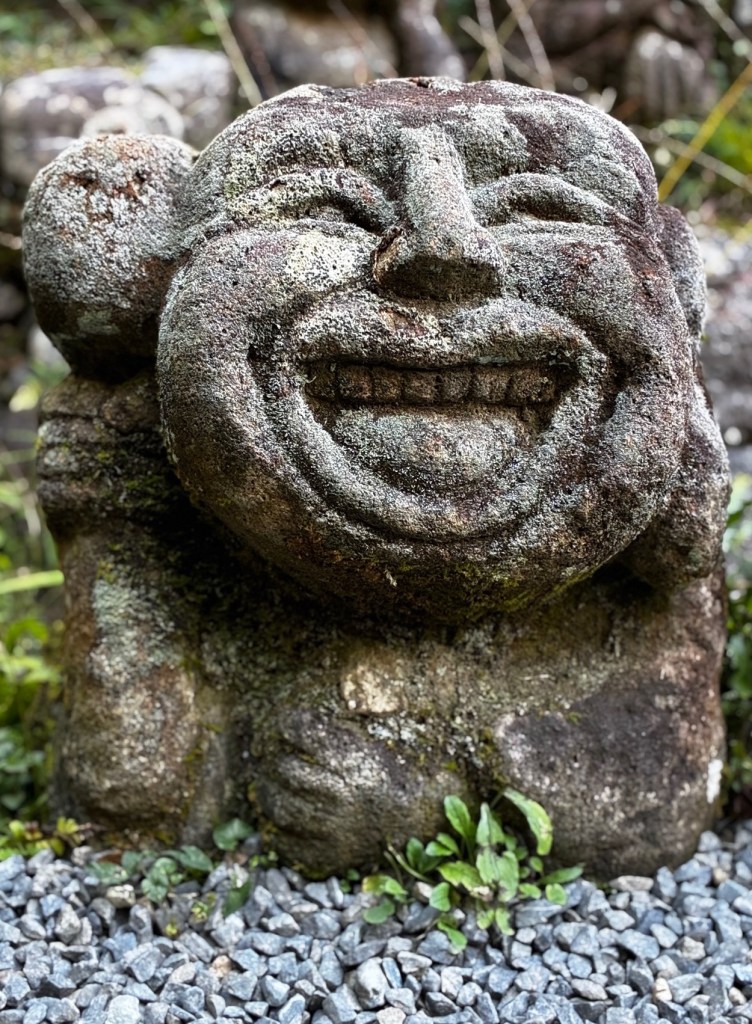
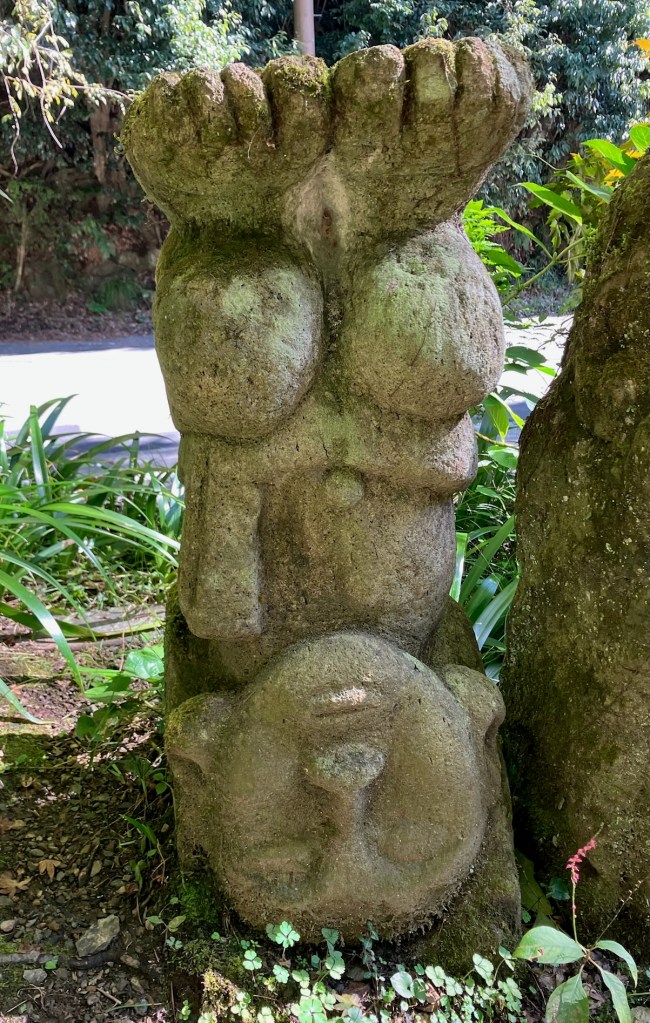
So did I find my Zen place in Kyoto’s temples? Not really. We saw plenty of folks taking a moment to stop and pray, so perhaps it works for them. But simple it was not. All those visits required a lot of effort figuring out the bus and train system, attempting (and usually failing) to find the least crowded times at the major sites, and weaving our way through thousands of fellow tourists. The only near-meditative state I could find was defensive—shutting down my senses to avoid overstimulation.
Connection to Nature
I did finally find something close to my Zen place, although I’m not sure I needed a temple for it. I will likely never actually achieve true “stillness of mind”—if you’ve ever tried mindfulness or meditation, you know how difficult it is to quiet your mind completely even for a second or two. There’s always something your brain wants to leap to next, and reining it in requires practice and intention over years.
For me, the sparse, dry, white-stone Zen gardens designed for contemplation didn’t do it. Perhaps that was because it was so rare to be alone at one, even though our fellow tourists were by and large respectful and quiet, often sitting still and reflecting. These “gardens” are typically bound by walls, with small white stones raked carefully in a repeating pattern and a handful of larger stones placed with intentionality to focus attention. Nothing else. They are intended to be blank slates for the mind.
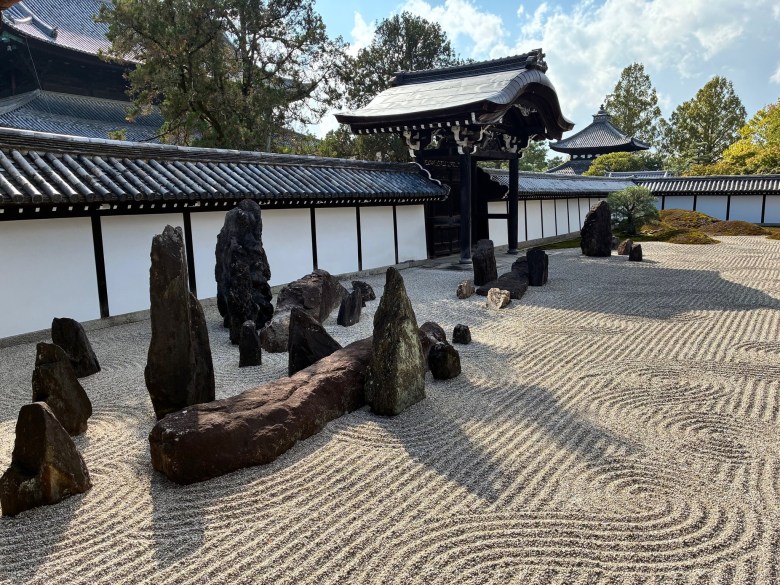
One of the most famous Zen rock gardens is called Ryoan-ji. It contains 15 stones set in a courtyard of pale gravel, with moss around some of the stones. Apparently, the stones are arranged so that at least one is hidden from any single viewing position; this is supposed to encourage visitors to look carefully and reflect. I counted the stones and found them one short, but, being unaware of the design intention at the time, did not make the effort to reflect on that paradox. I just figured my counting was off. Instead of reflecting I found myself wondering what the fuss was all about and why so many people paid admission to see it. I guess that says more about me than the garden.
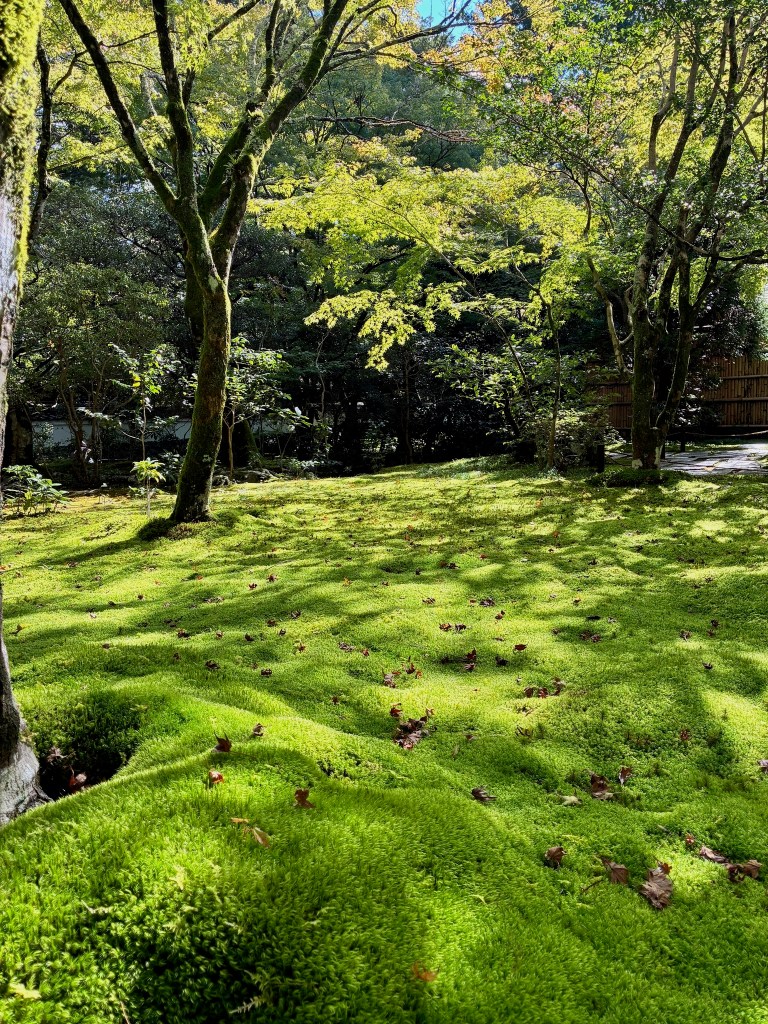
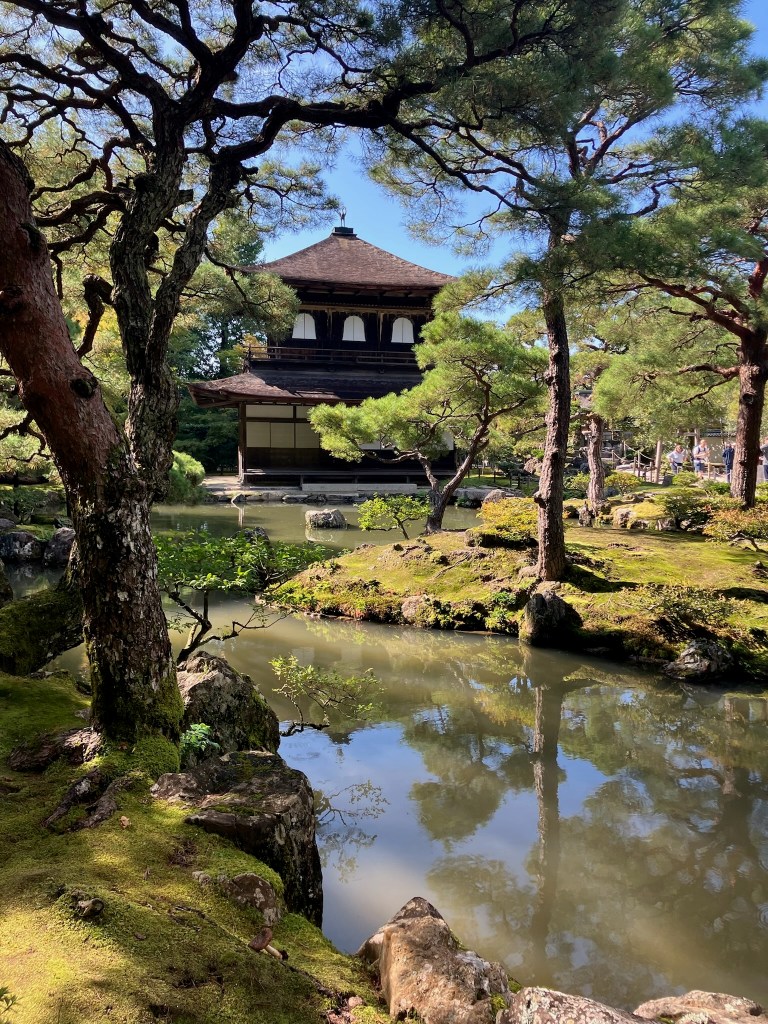
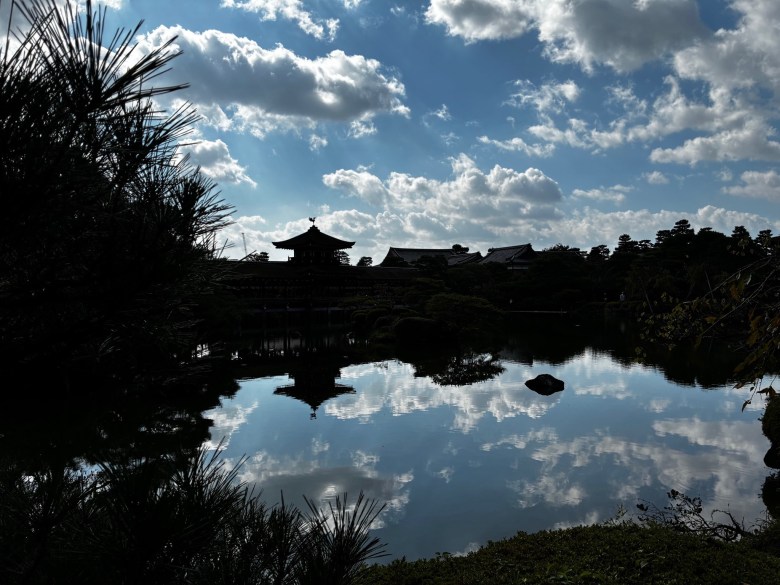
It was in the green spaces that I found my personal Zen, like the moss-filled garden at Saihō-ji temple or the classic Japanese garden we visited in nearby Nara. I know that these places are no more “natural” than the rock gardens, having been carefully constructed by landscape architects over centuries. They were designed to be places of peace and contemplation every bit as much as the rock gardens.
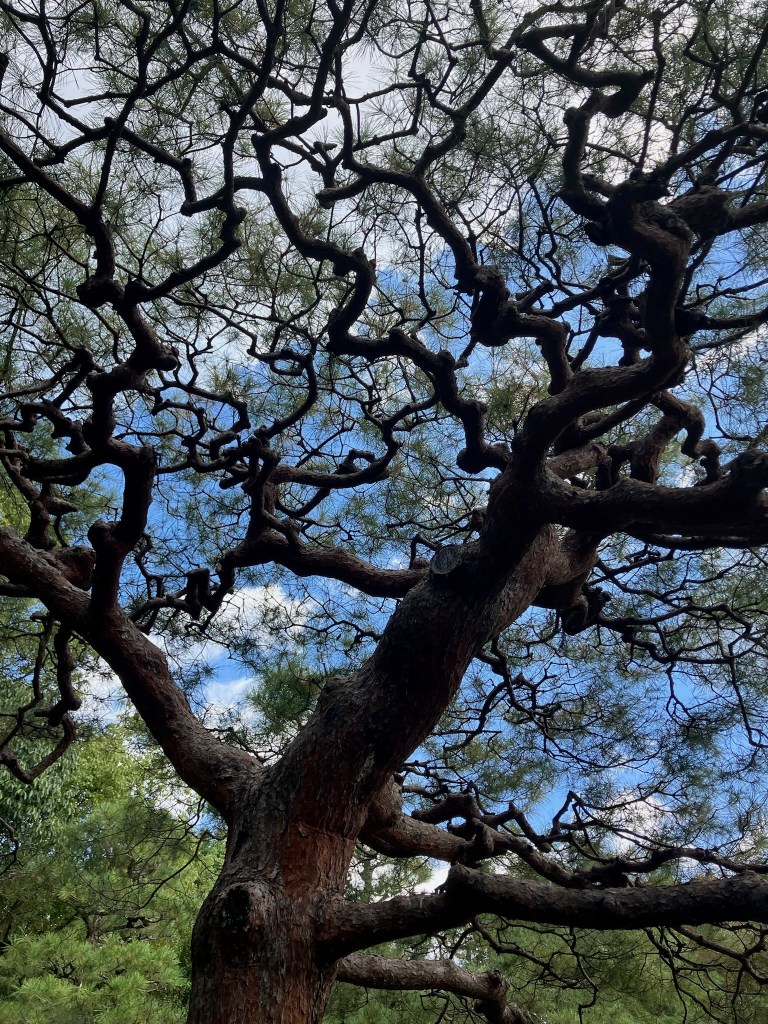
Yet these green spaces, with dappled sunlight and small trickling waterfalls, were where I could finally quiet my mind. I found peace in gentle rolling nobs of soft moss, gnarled limbs and twisted roots of ancient trees, and running water carefully designed to create different tones that come together in harmony to please the ears. In these gardens I could breathe, I could listen, I could truly be just here and just now.
So as we leave Kyoto and head to another hike in the wooded mountains, I think that bodes well. I will remind myself to stop in the woods, listen, appreciate the wabi-sabi moments of imperfection and impermanence, and feel my connection to the growing life all around me. Then I’ll go get a nice cold beer to celebrate the here and now.


Dear Al and Rachel, This blog is sensational! By the time I finished reading and, especially, absorbing the photos, I was ready to return to Japan and follow all your footsteps. Thank you for sharing your journey with us. With love, Lane
LikeLiked by 1 person
You captured the peace beautifully! The photos are gorgeous!
LikeLiked by 1 person