
Over the summer, we decided on Kenya as our next destination. We knew this would be yet another different kind of year—different culture, wildly varied fauna, novel activities, and a local language we have no exposure to beyond Disney-propagated “hakuna matata”. We quickly realized that this choice would affect not just how we plan, but how we pack. I’ve written before about the art of arriving, but leaving is as intertwined with arriving as the twisted strands of DNA. Where we are heading in no small way determines how we prepare to leave wherever we are, and leaving for Kenya is different than leaving for Chile, Spain, or Ecuador.
There are, of course, similarities in each departure, as we have discovered in the past three years. Every spring and fall we do the “family-visit triangle”—seeing family and friends in Massachusetts, Florida, and Colorado—before and after our travels abroad. Each year, we have slept in 40-50 different beds after locking our cabin door behind us at the end of the summer season, and that adds up to a lot of leaving. I like to think we’ve gotten better at it!
Of course, there are big “leaves” and small “leaves”—closing up our cabin for the season is the biggest one every year, and then there are the scores of smaller leaves we manage at each stop along the way. Each successive departure gets a little simpler as we exercise our “leaving” muscles. We think about what activities or sights we haven’t gotten to yet and what things we’ll want to be most accessible when we arrive at our next destination (warm sweater or shorts and sunscreen?). We clean up and try to leave each apartment we rent a little better than when we arrived. We make sure we have everything we brought, checking every drawer, closet, nook, and cranny for our clothes, our technology, our paperwork, our toiletries and kitchen items. We may even shed a few items we think we won’t need further along (thanks and good-bye long underwear!).
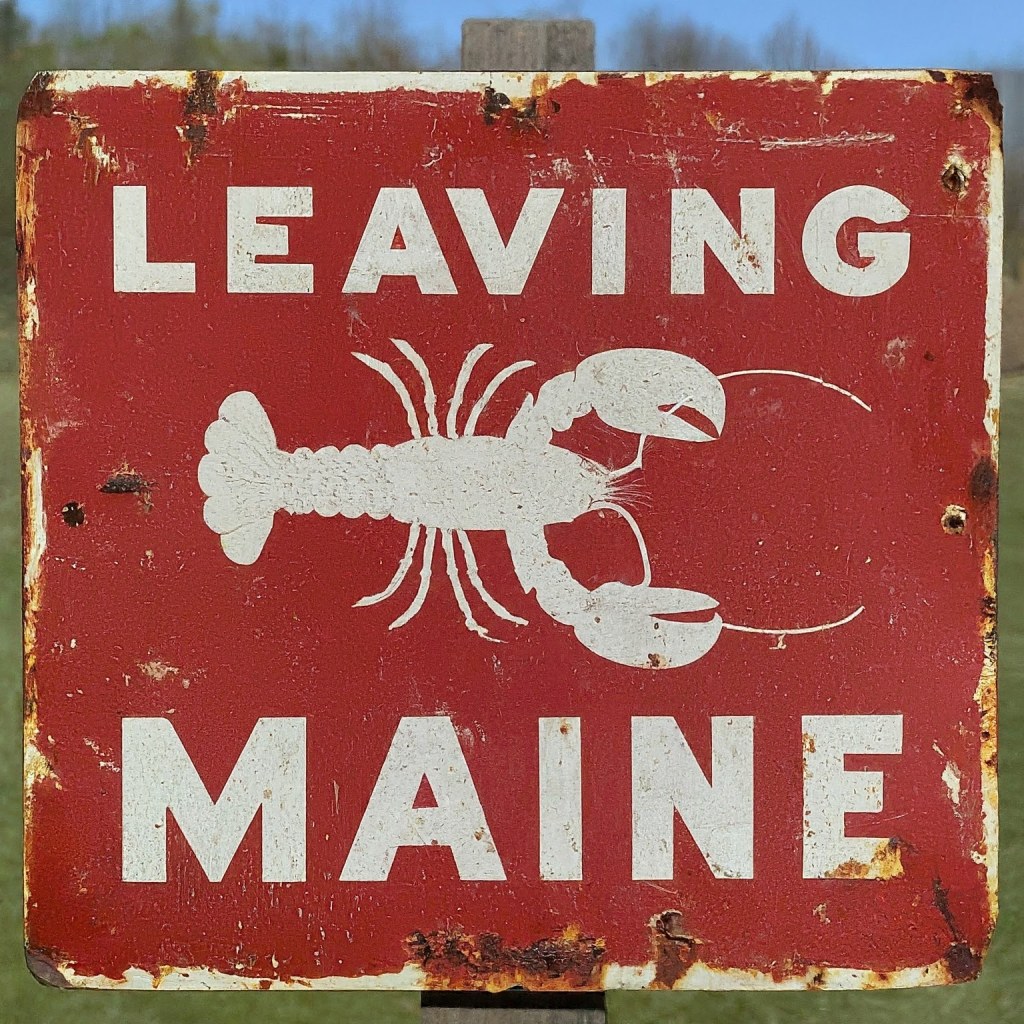
There’s a rhythm to it, a rote, repetitive muscle memory that constant practice hones to an almost mindless procedure. But leaving our cabin? That’s different because, unlike an AirBnB, we’re responsible for the cabin and everything in it, not just for ourselves. The cabin faces subzero north winds all winter; everything in it will freeze, expand, thaw, and freeze again. If we don’t carefully close the cabin up tight, shut everything down, put every piece of fabric or paper inside a container, and remove anything that might be ruined by freezing, we could come back to a disaster scene, overrun by mice, with exploded bottles of forgotten liquids seeping into the woodwork.
So there’s that. It can take a few days to do all the little and big things that are needed for us to feel confident that we’ll come back to an intact home next summer. But we’re also preparing to be gone for 10 months. There are a lot of choices to make about what to bring with us—we’re not deciding from among the handful of items we bring with us everywhere, but from everything we own. And it all needs to fit into two roller bags and two small backpacks. This is when knowing where we’re going informs how we leave. We need to imagine not just the next place, but all of the places we’ll be for 10 months and what we’ll need there.
There is both an art and a science to leaving: We do a lot of research, design protocols we can follow in the future, and find room for creativity and improvisation each year.
Research. In addition to reading guidebooks and travelers’ blogs, this year, we spoke to several people with current knowledge about Kenya and other African countries we’re interested in visiting to find out more about what we might want to do, what kinds of clothing we want to have, and when the climate in each place might be closest to our definition of paradise. We also researched visas, health insurance, volunteering opportunities, and safaris. We haven’t made any definite plans past the first month in Kenya, but having done this research before leaving makes us more confident that we’ll figure it out along the way. We at least learned enough to decide that this year, lightweight safari shirts and sun hats are in, hiking poles and wool sweaters are out. Every year, we seek out smaller, more convenient, more versatile gear to bring with us. I’m now down to two pairs of pants, both of which zip off to become shorts (and, yes, millennials, I know they are dorky, but they’re so damn versatile!). I finally got a light-weight puffer jacket that crams into one of its own pockets. (All the cool kids are wearing them.) We’ve found that stuff sacks are great for compressing our clothes into ever-smaller spaces, so we bought three different sizes for easier packing.
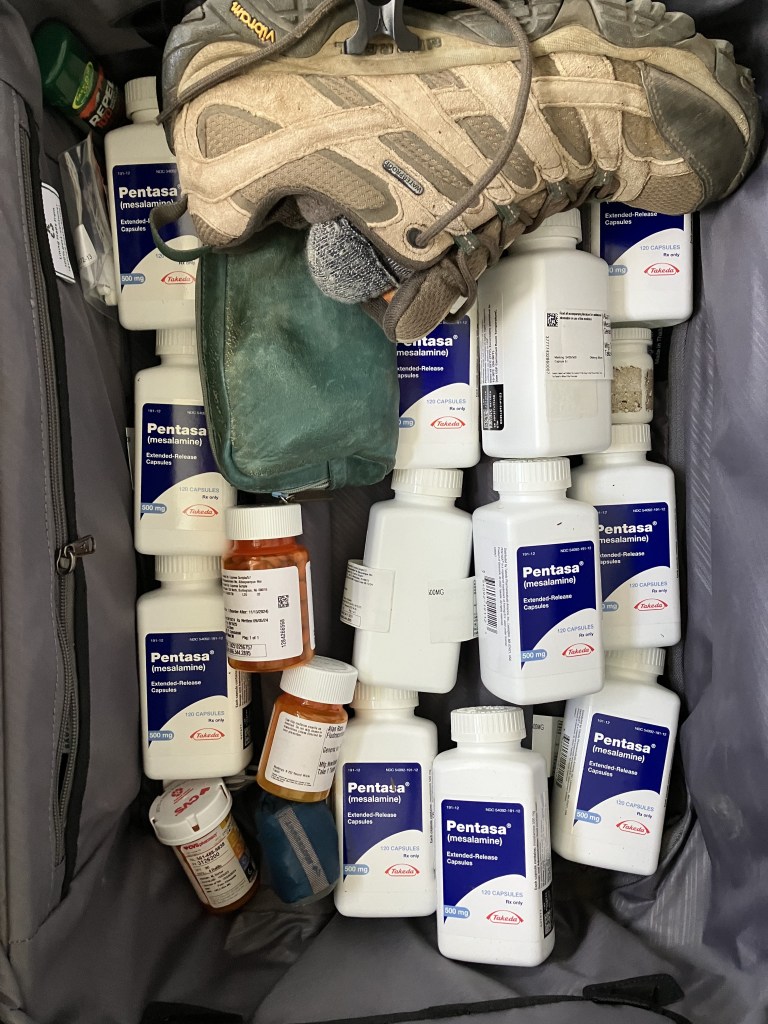
And then there’s something we never anticipated needing to do when we were younger. We figure out how many months’ worth of medications we need to bring with us, versus what we might be able to replenish along the way, and call our prescription provider to get “vacation overrides” rather than the standard 90-day supply. (Prescription plans are not made for people who refuse to stay put!)
Protocols. We are list-makers. In fact, I never feel organized until I have a list laying out what needs to be done. So we have a “closing up camp” list three pages long that we update every year just in case someone besides us has to do it (and, truth be told, so we remember everything ourselves!). We have a packing list that is an evolving record of relentlessly refining and trimming what we think is necessary to bring with us—and what we considered necessary in each country at the time. (Helpful: compact clothes line, quick dry towel, an iPad stand for video calls. Too Big to Carry: travel guitar (sigh), yoga mats, cotton sweatshirts, jeans.) We create itineraries and lists of important information that can be accessed easily on our phones or stored along with our passports. We keep notes on how to “park and preserve” our U.S. phone numbers while we’re out of the country and the best ways to ensure phone connectivity in each place.
Creativity. Each year plays out a little differently, and our imaginations often guide our plans as much as our research. What we picture ourselves doing—which this year is wide open for adjusting on the fly—combines with the information we’ve gathered to inform what we bring with us. Since mostly we’ve never been to these places before, all we have to go on is what we can learn from others and what we can imagine. Kenya is particularly ripe for the ill-informed imagination: Having grown up with Born Free, Out of Africa, and Hemingway, not to mention Tarzan, The Lion King, and Mutual of Omaha’s Wild Kingdom, the pictures we carry in our heads are powerful, unavoidable, and most likely wrong or at least out of date and limited. I know intellectually that a) Kenya has big, modern cities, beach resorts, and, yes, vast game parks catering to tourists, and b) Africa is a huge continent with more diversity in every way that we can imagine. But that’s not enough to cancel out the formative pictures I carry in my head from books, TV, and movies. In part, that’s why we’re going—to replace those images from our imagination with images from our experiences.
Leaving also has an emotional side. Arriving somewhere new can be exhilarating, exhausting, and eye-opening. Leaving can be sad—we know we are, for the most part, leaving our family and friends behind for 10 months (unless you come visit us!). But it can also be a catalyst; an opportunity we seize to connect in person while we can. So we cram in as many visits as possible with people we love into the last 3-4 weeks before we actually depart the States. Even when we leave a place we’ve only been a short while, we typically have connected with people in smaller ways, and always try to find the time to say farewell before we take off again. It feels so important to make the time to see people before we leave because we have no idea what might happen before we return in 8-10 months. That’s true for everyone, but somehow leaving a place can prompt us to act on it.
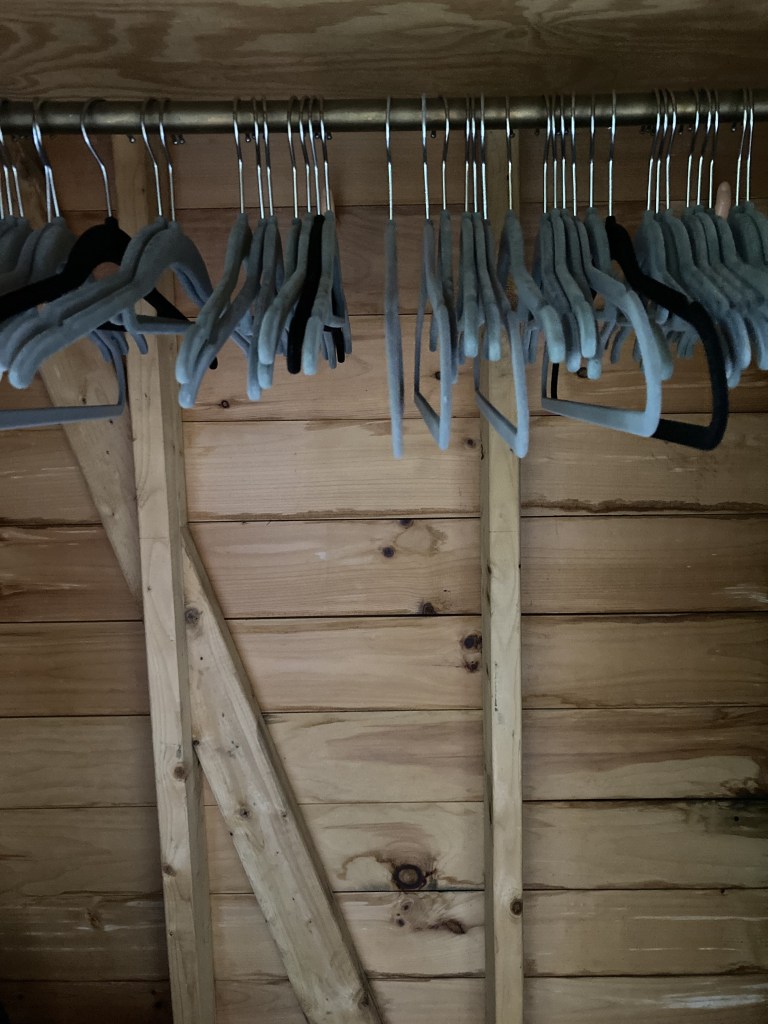
This will be our fourth year of living in a different country each year. Leaving can be liberating; it can also be anxiety-producing. We have certainly gotten better at leaving, but the nagging sense that we’ve left something important behind never changes. Increasingly it feels like we’ve only just arrived somewhere and then it’s time to leave. Despite that, we make our preparations, take that first step out the door, roller bags in hand, and then we are under way. With each stop, our bags become just a bit lighter — fewer pills, less toothpaste and sunscreen, maybe minus a worn-out shirt. By the time we’ve circled the Moon and are hurling ourselves back to Earth, we’ve shed our staging rockets. (Hopefully we don’t burn up on re-entry!)
As for where we are now, after we complete the “family-visit triangle,” we fly to Mombasa in the southeastern corner of Kenya. Then we catch a ride to Diani Beach, a resort town on the Indian Ocean with white sands and crystal teal waters. We’ll do our “First Explore” to orient ourselves to the new place. Arriving is like the mirror image of leaving—we meet new people instead of long-time friends, say hello instead of goodbye, see the world with curiosity rather than familiarity. We replace our expectations and imagination with experiences, understanding, and photos. Sometimes the emotions of leaving collide with the emotions of arriving, bubbling up like swirling eddy.
After arriving at Diani Beach, we’ll plot our next steps. We have some ideas, all of which ultimately involve leaving—and arriving. Stay tuned to find out what’s next and thanks for joining us on this crazy, wonderful journey. (In the meantime, treat yourself to a day at the beach with the “Time Lapse” feature on this live Diani Beach webcam.)
 Seeing the World, One Year at a Time
Wow Kenya! I can’t wait to learn from you! If you ever can expand your triangle, we’d sure love to see you. I miss you terribly. Until then, we’re sending so much love and good wishes for your next adventure.
LikeLike
We are definitely thinking about a NoCal branch of the family visits, April, and you can be sure you & your fam are on our list! Thanks for following along. We miss you too.
LikeLike
Jeans too big to carry? I’m not sure what I’d do if I couldn’t bring jeans–it’s part of my uniform (more so since COVID and working from home :)). Sorry about the travel guitar, but that can be a catalyst for picking up (literally and figuratively) a cool new African instrument! Can’t wait to follow along on this journey with you three (you two ‘cool kids’ and Olive).
LikeLike
I made room for jeans last year, but this year we’re just going with extra light and versatile! Olive sends her quacks to all of her friends in your tub!
LikeLike
Wow! Kenya! I’ve loved every posting from South America and now I look forward to a vicarious journey in Africa. Safe travels dear Al and Rachel.
Lane
LikeLiked by 1 person
Great post! Glad to have been able to see you both as a part of the “visit triangle”! Looking forward to seeing what Africa has in store for you both! The Diani Beach webcam was pretty cool to see, by the way – it looks like quite a nice spot!
LikeLiked by 1 person
I’m reading this at the airport of Miami, from where we fly back to Argentina for the next 1.5-2 years… Yes, we just went through the leaving (and arriving) in Belgium and Massachusetts this past summer to visit friends and family and take an extensive and deserved two-month from the road.
No “vacation” arrangement for me regarding medicines, though. Mass Health is not a fan. I’ll take enough for three months and find the rest locally, in South America. Enjoy Africa! I’m excited to follow along. One day, we will explore that continent in an RV as well. 🙂
LikeLiked by 1 person
Safe travels, Liesbet! Have fun exploring Argentina!
LikeLiked by 1 person
Thanks, Al. Not much has changed in three months. 🙂 We look forward to Patagonia and beyond this austral summer.
LikeLike
The Art of Leaving…and thoughts on arriving is a thorough and informative treatise. My head is spinning with the realization of all that must be considered for your travels. What a handy guide for anyone considering such an undertaking. Also can’t imagine how you ever found time to write this account. Eagerly awaiting those African posts. Oodles of love to you and Rachel. Happy wending.
LikeLiked by 1 person
When I visit a college friend in Miami for four days I take about as much as you do for 10 months. I was going to request a post about packing, but you beat me to it.
Not many articles of clothing…but you didn’t mention how often you wash your clothes, and how often you typically do a handwash wherever you are versus using a laundry machine.
LikeLike
What? We have to wash our clothes? 😉 We have maybe a week’s worth of clothes and will often do a quick handwash to get us to the next washing machine. Dryers are not typically available where we’ve been, so bringing quick-dry clothes and a small packable clothesline have been helpful.
LikeLike
Another inspiring and moving read, thank you. It took me back to my 7 year old self on Nyali beach when there was just the one ‘Nyali Beach Hotel’ and the ‘Silversands’ resort a short walk behind the beach. My father was stationed for two years in Aden, then South Yemen, and we had a fortnight’s holiday in Kenya, including a two day safari in Tsavo national park with a night at Kilaguni lodge. Thanks for bringing back those memories, have a wonderful trip 🤗🤗
LikeLike